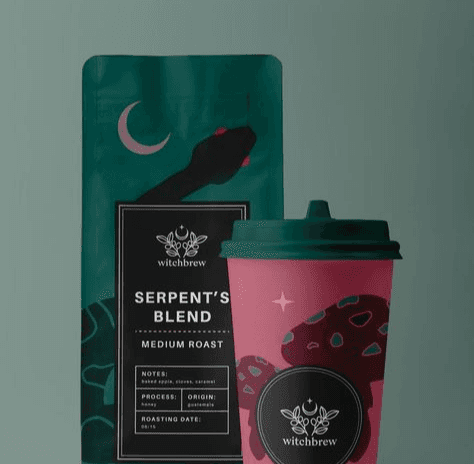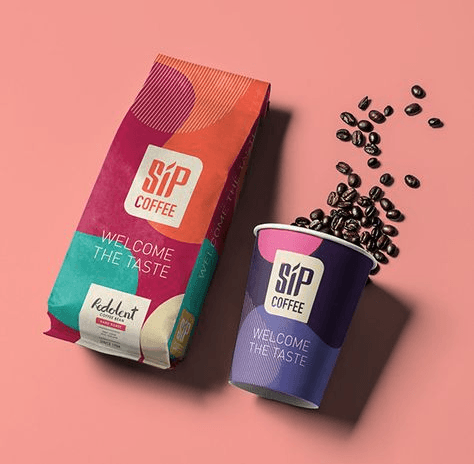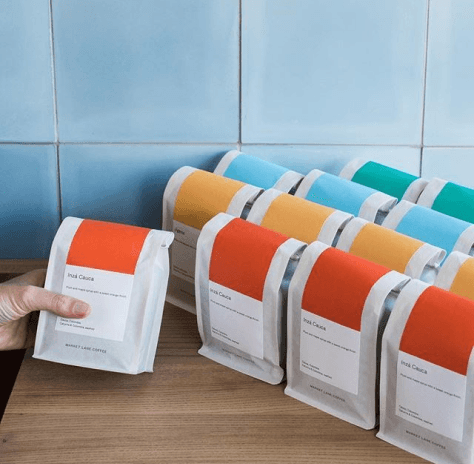
Lightweight flexible packaging requires much less space to transport than cumbersome, heavy glass and aluminium containers. When fewer trucks are required to transport your products then, this directly translates to reduced transportation costs (great for your company) and reduced fuel use and emissions, which is great for the environment.
Another way to view this odd topic is by looking at the product-to-packaging ratio. Here’s an example from research conducted by the Flexible Packaging Association (FPA) for 24 ounces of raisins:
- A round paperboard canister with a plastic lid has a product-to-packaging ratio of 17:1
- A stand-up flexible pouch has a product-to-packaging ratio of 60:1
Flexible packaging, as opposed to rigid packaging, have become the preferred method when it comes to sustainability efforts and minimising overall carbon footprint. By allowing more flexibility, this packaging method reduces food waste and energy consumption, both in production and transportation processes.
Flexible packaging allows for a greater product-to-package ratio that greatly reduces packaging waste. This packaging method also has the capability to be structured in a lightweight structure that limits the amount of packaging needed for the same amount of product. Because there is not as much packaging needed, there is less material being made that requires energy consumption. Since there is less material required to make the same product, there is a decrease in total greenhouse gas emissions. By using less material in flexible packaging systems, the amount of energy needed to convert the raw material into finished packaging is reduced, leading to a reduction in overall carbon footprint.